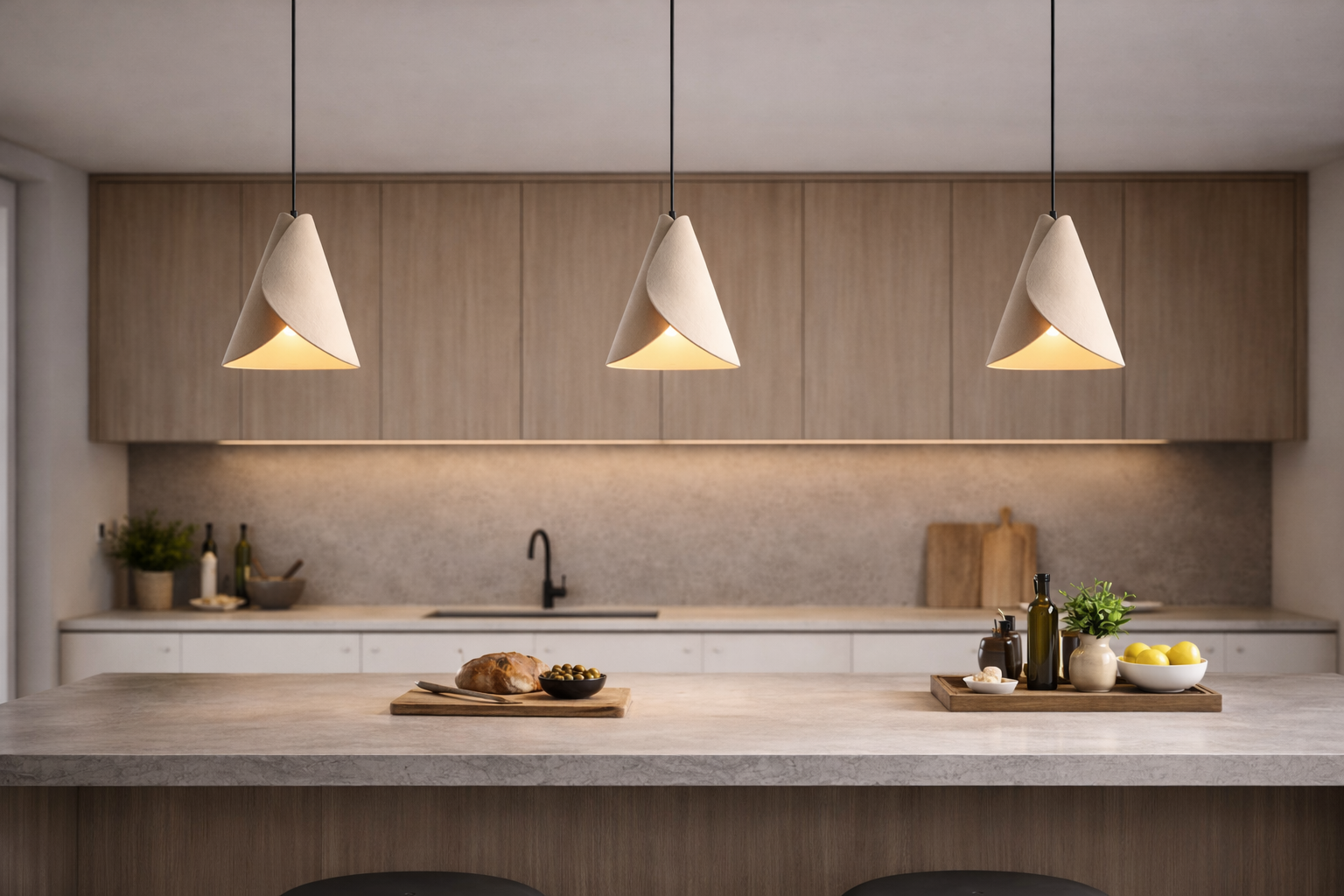
Article: How to Create Warm Lighting in a Modern Kitchen: The Complete Guide
How to Create Warm Lighting in a Modern Kitchen: The Complete Guide
Transform your modern kitchen into a welcoming sanctuary with the perfect lighting temperature and placement strategies.
Modern kitchens are celebrated for their clean lines, sleek surfaces, and minimalist aesthetics. But without the right lighting, even the most beautifully designed contemporary kitchen can feel cold and sterile. The secret to balancing modern design with inviting ambiance lies in creating warm lighting that enhances both functionality and comfort.
In this comprehensive guide, you'll discover proven techniques to achieve warm, welcoming lighting in your modern kitchen without sacrificing style or efficiency.
Understanding Warm Light vs. Cool Light
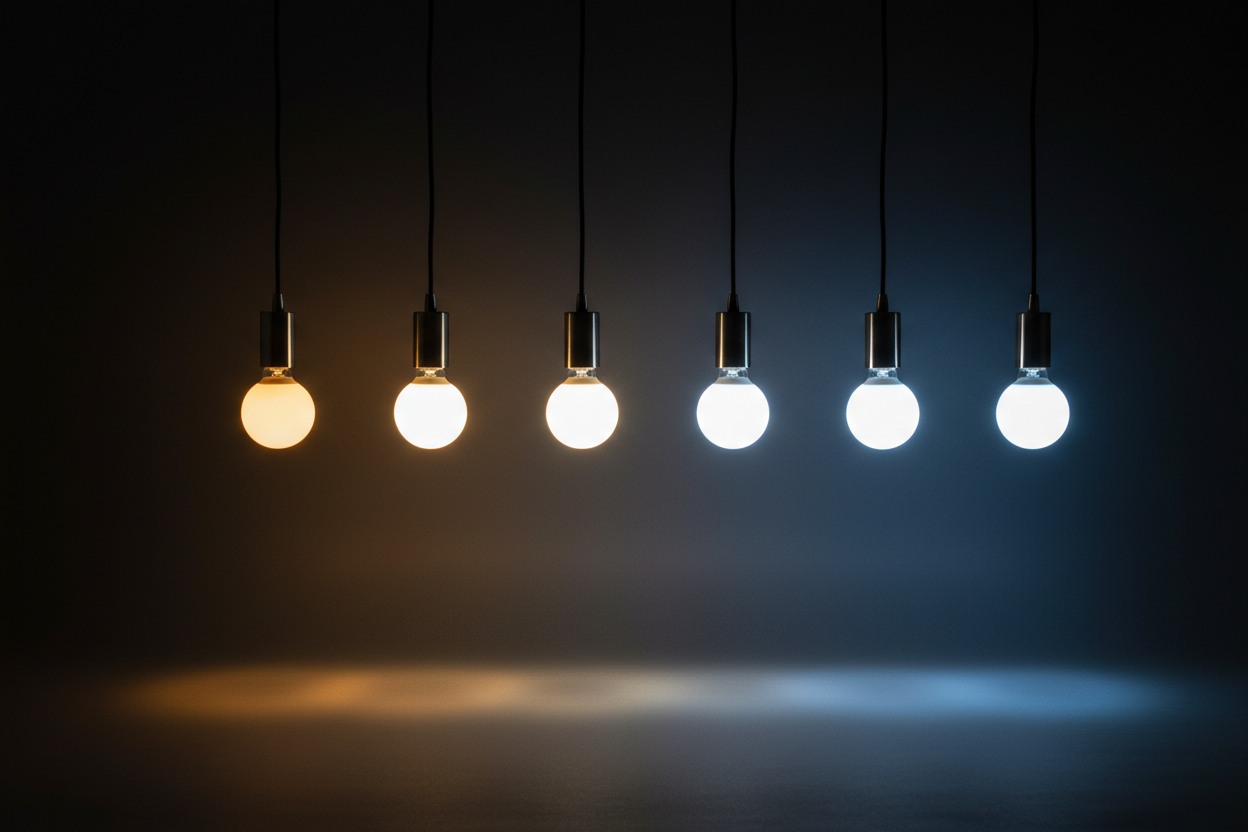
Before diving into specific solutions, it's essential to understand color temperature, measured in Kelvins (K):
- Warm White (2700K-3000K): Produces a soft, yellowish glow similar to traditional incandescent bulbs
- Neutral White (3500K-4100K): Offers a balanced tone between warm and cool
- Cool White (5000K-6500K): Emits a bright, bluish light similar to daylight
For creating warmth in a modern kitchen, aim for the 2700K-3000K range. This temperature range provides enough visibility for cooking tasks while maintaining a cozy, inviting atmosphere.
Why Warm Lighting Matters in Modern Kitchens
Modern kitchen design often incorporates materials like stainless steel, quartz countertops, and glossy cabinets—all of which can amplify cool tones. Warm lighting serves several crucial purposes:
- Creates visual balance against hard, reflective surfaces
- Makes food look more appetizing with natural, flattering tones
- Encourages gathering by making the space feel more welcoming
- Reduces eye strain during extended meal preparation
- Enhances wood tones in floors, cabinets, or accents
Layering Light: The Foundation of Warm Kitchen Lighting
Professional designers rely on a layered lighting approach that combines three types of illumination:
Ambient Lighting (General Illumination)
Ambient lighting provides overall illumination for your kitchen. For warm tones, consider:
- Recessed LED downlights with warm white bulbs (2700K-3000K)
- Flush or semi-flush ceiling fixtures with fabric shades that diffuse light softly
- Dimmer switches to adjust brightness throughout the day
Pro Tip: Install dimmers on all ambient lighting to transition from bright task lighting during meal prep to softer evening ambiance.
Task Lighting (Functional Focus)
Task lighting illuminates work areas where you cook, chop, and prepare food. Warm task lighting options include:
- Under-cabinet LED strips in warm white (2700K-3000K)
- Pendant lights over islands with Edison bulbs or warm LED equivalents
- Track lighting aimed at countertops and cooking surfaces
The key is choosing fixtures that direct light precisely where needed while maintaining that warm color temperature.
Accent Lighting (Atmosphere & Design)
Accent lighting adds depth and highlights architectural features:
- In-cabinet lighting to showcase glassware or dishware
- Toe-kick lighting with warm LED strips
- Open shelving backlights to create visual interest
5 Proven Strategies for Warm Kitchen Lighting
1. Choose the Right Color Temperature
This cannot be overstated: always select bulbs in the 2700K-3000K range. Even the most expensive fixture will feel harsh with cool bulbs. When shopping:
- Look for labels marked "Soft White" or "Warm White"
- Check the Kelvin rating on the packaging
- Buy a few test bulbs before committing to large quantities
- Ensure all lights in one space share the same color temperature for consistency
2. Layer with Pendant Lights Over Islands
Pendant lights serve dual purposes—they're both functional and decorative. For warm lighting:
- Choose materials like amber glass, brass, or copper that naturally warm the light
- Select bulbs thoughtfully: Edison-style LED bulbs at 2200K-2700K create vintage warmth
- Hang at proper height: 30-36 inches above countertops for islands
- Group in odd numbers (3 or 5) for visual balance
Popular warm pendant styles for modern kitchens include industrial cage pendants with brass finishes, globe pendants with amber glass, and minimalist drum shades in warm metallics.
3. Install Under-Cabinet Lighting
Under-cabinet lighting is essential for task work and creates a warm glow that makes kitchens feel finished and intentional:
- LED tape lights: Flexible, energy-efficient, available in warm temperatures
- Puck lights: Provide focused pools of light, ideal for highlighting countertop areas
- Linear bars: Offer even, seamless illumination across entire cabinet runs
Installation Tip: Position lights toward the front of cabinets (not the back wall) to minimize shadows and ensure even countertop coverage.
4. Embrace Dimmable Technology
Dimmers transform lighting from purely functional to mood-enhancing. Benefits include:
- Bright illumination (100%) for detailed cooking tasks
- Medium levels (60-70%) for everyday use
- Low settings (20-30%) for dining and entertaining
- Extended bulb life and energy savings
Ensure your LED bulbs are labeled "dimmable" and pair them with LED-compatible dimmer switches to avoid flickering.
5. Mix Metallic Finishes Strategically
Light fixtures in warm metallic finishes naturally enhance warm lighting:
- Brass and gold: Reflect warm tones beautifully
- Copper: Adds rich, rosy warmth
- Bronze: Provides depth with warm undertones
- Brushed nickel with warm bulbs: Modern yet inviting
Mixing metals is acceptable in modern design—just maintain a dominant finish (60-70%) with accents in complementary tones.
Avoiding Common Warm Lighting Mistakes
Even with the best intentions, these pitfalls can undermine your warm lighting goals:
Mixing Color Temperatures
Installing 3000K recessed lights with 5000K under-cabinet strips creates visual discord. Keep all bulbs within a 200-300K range for harmony.
Over-Lighting the Space
More isn't always better. Excessive lighting—even warm lighting—can feel harsh and uninviting. Use the layering principle and dimmers to control intensity.
Ignoring Color Rendering Index (CRI)
CRI measures how accurately light reveals colors. For kitchens, choose bulbs with a CRI of 90+ to ensure food and finishes look natural and appealing.
Forgetting About Reflective Surfaces
Glossy backsplashes, polished countertops, and stainless appliances all amplify light. Account for this by slightly reducing bulb wattage or using diffusers.
Smart Lighting for Modern Warm Kitchens
Technology enhances your ability to create and control warm lighting:
- Smart bulbs: Adjust color temperature from your phone (transition from energizing morning light to relaxing evening tones)
- Voice control: "Alexa, set kitchen lights to 50%" for hands-free operation
- Automated schedules: Program lights to warm up as evening approaches
- Scene settings: Save preset configurations for cooking, dining, and entertaining
Leading smart bulb brands offering warm white options include Philips Hue, LIFX, and C by GE.
Budget-Friendly Warm Lighting Upgrades
Creating warm lighting doesn't require a complete renovation. These affordable updates make immediate impact:
- Replace all bulbs with 2700K-3000K LEDs ($2-8 per bulb)
- Add under-cabinet LED strips ($25-80 per section)
- Install dimmer switches ($15-40 each)
- Replace one statement fixture like island pendants ($100-300)
- Add battery-powered accent lights in cabinets ($20-50)
Focus on the areas where you spend the most time first—typically the primary prep zone and island.
Lighting Placement: A Room-by-Room Approach
Over the Island or Peninsula
- 2-3 pendant lights, 30-36 inches above surface
- Space pendants 30-32 inches apart
- Use warm Edison bulbs or globe pendants with amber glass
Above the Sink
- Single pendant or small chandelier
- Center over sink, 30-40 inches above counter
- Choose fixtures that won't obstruct window views
General Ceiling Lighting
- Recessed lights on 4-6 foot centers
- Avoid creating a "runway" effect down the center
- Consider a grid pattern for even coverage
Dining Nook or Breakfast Area
- Chandelier or linear pendant
- Hang 30-34 inches above table
- Use warmest bulbs here (2700K) for dining ambiance
Warm Lighting for Specific Modern Kitchen Styles
Scandinavian Minimalist
- Natural wood accents amplified by warm light
- Simple pendant shapes in matte black or brass
- Prioritize natural daylight supplemented with warm LEDs
Industrial Modern
- Edison bulbs in cage or exposed fixtures
- Warm metal finishes like aged brass or copper
- Mix vintage-inspired forms with LED efficiency
Contemporary Glam
- Crystal or glass pendants that refract warm light
- Metallic accents in gold or champagne finishes
- Statement fixtures over islands
Transitional Modern
- Classic shapes in updated materials
- Warm brass or bronze with clean lines
- Balance between ornate and minimal
Energy Efficiency Meets Warm Ambiance
LED technology has revolutionized warm lighting by offering:
- Energy savings: 75-80% less electricity than incandescent
- Longevity: 15,000-50,000 hours of use
- Instant-on: No warm-up period
- Cool operation: Minimal heat output
- Warm options: Available in full range of color temperatures
When selecting LEDs for warm kitchen lighting, look for:
- Color temperature: 2700K-3000K
- CRI: 90 or higher
- Dimmable capability
- Energy Star certification
Conclusion: Bringing Warmth Home
Creating warm lighting in a modern kitchen is about thoughtful choices, not compromising contemporary design. By selecting the right color temperature, layering different light sources, incorporating dimmers, and choosing fixtures with warm finishes, you can transform your modern kitchen into a space that's both functionally brilliant and emotionally inviting.
Remember these key takeaways:
- Always choose bulbs in the 2700K-3000K range
- Layer ambient, task, and accent lighting
- Install dimmers on every circuit
- Balance cool materials with warm light
- Don't mix color temperatures within the same space
- Prioritize high CRI (90+) for accurate color rendering
Your modern kitchen can be the heart of your home—a place where sleek design meets genuine warmth, where family gathers, and where every meal is illuminated in the most flattering, welcoming light possible.
Frequently Asked Questions
Q: What's the best color temperature for kitchen lighting?
A: For warm, inviting ambiance, choose 2700K-3000K. For task-focused areas where you need to see details clearly, 3000K-3500K offers warmth with enhanced visibility.
Q: Can I mix warm and cool lighting in my kitchen?
A: It's not recommended. Mixing color temperatures creates visual confusion and makes the space feel disjointed. Stick within a 200-300K range throughout.
Q: How many lumens do I need for kitchen lighting?
A: Kitchens generally need 50-100 lumens per square foot. A 100-square-foot kitchen needs 5,000-10,000 total lumens distributed across all layers of lighting.
Q: Are LED bulbs really as warm as incandescent?
A: Yes! Modern LEDs at 2700K closely replicate the warm glow of traditional incandescent bulbs while using a fraction of the energy.
Q: Should under-cabinet lights be the same temperature as overhead lights?
A: Absolutely. Consistent color temperature throughout your lighting layers creates a cohesive, harmonious environment.
Ready to transform your modern kitchen with warm, welcoming lighting? Start with one change—replace your bulbs, add a dimmer, or install under-cabinet lighting—and build from there. Your perfect kitchen sanctuary awaits.